Tooth loss is not just an aesthetic problem. It can affect many areas, from chewing function to speech, from facial aesthetics to self-confidence. Today, one of the most modern and longest-lasting solutions for missing teeth is dental implant treatment. But many people considering implants have the same question in mind:
“Is an implant really as strong as a natural tooth?”
There is a great deal of information online about implants. Some say implants can last a lifetime; others talk about the possibility of failure. The truth is not black and white. With correct planning, correct care and appropriate patient selection, implants can deliver very successful results.
At the same time, it is not right to think of them as entirely independent of natural teeth. In this article, Frig Dent Dental Clinic looks at the most frequently asked questions about implant treatment and the common misconceptions surrounding implants.
1: Implants Are Very Durable – but They Are Not “Unbreakable”
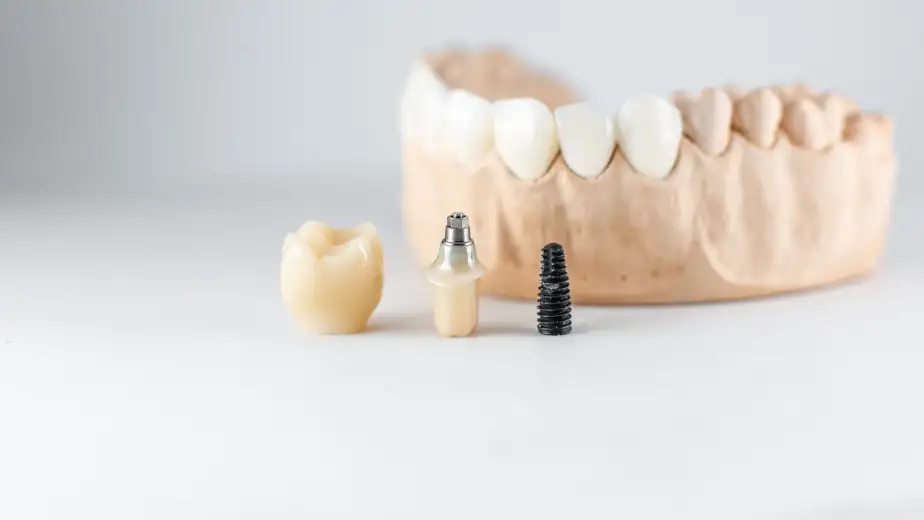
Dental implants are usually made from biocompatible materials such as titanium. They fuse with the jawbone to form a very strong structure. When done correctly and maintained regularly, they can last for many years.
That does not mean an implant will never have a problem. Just as with natural teeth, problems linked to poor care can develop around an implant.
Interesting fact:
The success rate of well-maintained implants is very high, and many implants can be used for 15–20 years or even longer.
2: Implants Don’t Decay, but the Surrounding Tissues Can Become
Diseased
One of the most common mistakes people make is this: “Implants don’t decay, so I don’t need to look after them.”
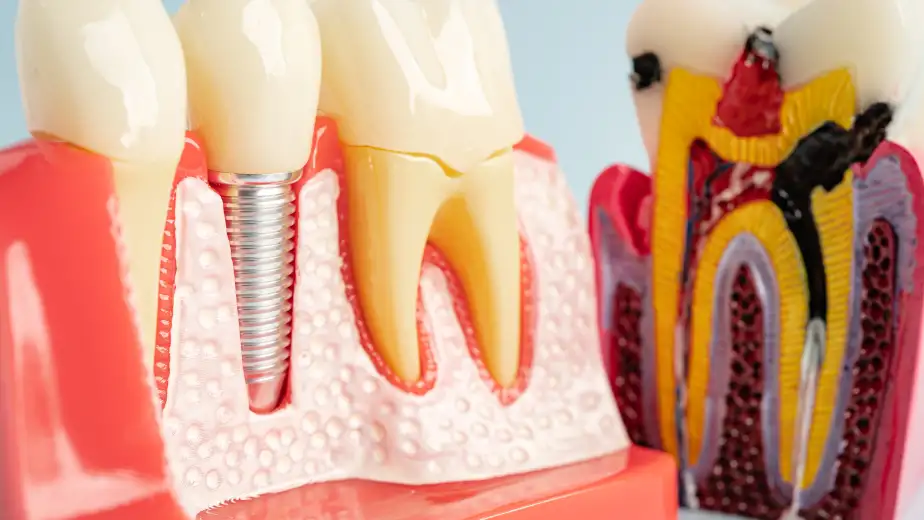
It is true that because an implant is made of metal, it does not decay in the classic sense. However, the gum and bone tissue around the implant can become infected. This condition is called peri-implantitis.
Symptoms:
- Bleeding gums,
- Swelling,
- Bad odour,
- A feeling of looseness,
- Bone loss
In other words, regular oral care is essential if an implant is to last.
3: Nothing Fully Replaces a Natural Tooth
Implants are one of the most successful treatments in modern dentistry. Even so, preserving the natural tooth is always the first goal.
One of the fundamental differences between a natural tooth and an implant is the periodontal ligament found around a natural tooth. This structure gives the natural tooth slight flexibility and a sense of pressure. An implant does not have this ligament.
For this reason, dentists try to save the natural tooth first whenever possible.
4: Implant Treatment Is Not as Frightening as People Think
Many patients imagine implant surgery as a major, painful operation. In fact, thanks to modern techniques, implant procedures today are usually far more comfortable than expected.
Local anaesthesia is applied during the procedure and the patient feels no pain. Afterwards there may be mild sensitivity or swelling lasting a few days.
An interesting observation:
Many patients describe the period after an implant as being more comfortable than a difficult tooth extraction.
5: Can an Implant Be Placed for Every Missing Tooth?
In most cases yes, but not every patient is equally suitable for an implant.
Factors assessed:
- Jawbone density,
- Gum health,
- Smoking,
- General health,
- Diabetes control,
- The level of bone loss.
Some patients may need a bone graft or additional procedures before the implant.
6: The First Few Months After an Implant Are Very Important
Once the implant has been placed, the process of fusion with the jawbone begins. This is called osseointegration, and it plays a critical role in the success of the implant.
During this period it is very important to:
- Stay away from smoking,
- Avoid heavy pressure,
- Pay attention to oral hygiene,
- Keep to your check-up appointments
Loading the implant immediately on the day it is placed is not suitable for every patient. Planning must be personalised.
7: Implants Matter Not Only for Aesthetics but Also for Bone
Health
After tooth loss, the jawbone can begin to resorb over time, because bone loses volume when it no longer receives chewing forces.
Because implants transmit load to the jawbone, they can help preserve bone volume. In this respect, an implant is not merely an aesthetic solution that fills a gap.
Interesting fact:
In areas left without a tooth for a long time, increasing bone loss can make implant planning more difficult. Early assessment therefore offers an advantage.
Implant or Bridge?
This is another frequently discussed question in the treatment of missing teeth.
Advantages of an implant:
- Neighbouring teeth are not cut down,
- It helps preserve bone support,
- It can be long-lasting,
- It provides a more independent structure
Bridge treatment:
In some situations this can be a suitable alternative. However, healthy neighbouring teeth may need to be reduced.
Which method is appropriate should be assessed according to the patient’s oral anatomy.
What Should Aftercare Look Like Following an Implant?
Having an implant does not remove the need for care.
Daily care recommendations:
- Brushing twice a day,
- Interdental cleaning,
- Dental floss or special implant brushes,
- Regular professional cleaning,
- Staying away from smoking
Poorly maintained implants can develop problems over the years.
How Long Does Implant Treatment Take?
Treatment time varies from person to person.
- In straightforward cases it can be completed within a few months,
- Where bone support is needed, the process may take longer,
- Healing time can vary depending on the region where the implant is placed
For this reason, a personalised plan is drawn up after a detailed examination.
Implant Treatment in Eskişehir
Missing teeth can affect not only your appearance but also oral function and quality of life. At Frig Dent Dental Clinic, we offer modern planning methods and a personalised approach in implant treatment.
At our clinic we offer:
- Digital implant planning,
- Bone assessment,
- Single-tooth and multiple-implant solutions,
- Aesthetic restorations,
- Implant maintenance check-ups,
- Long-term follow-up programmes
Dental implants are one of the most successful and longest-lasting solutions for missing teeth in modern dentistry. With correct planning and regular care, they can provide comfort and aesthetics very close to a natural tooth. It should not be forgotten, however, that implants also require professional follow-up and good oral hygiene.
If you would like detailed information about implant treatment or want to find out whether it is suitable for you, get in touch with Frig Dent Dental Clinic for an expert assessment. A healthy smile starts with a strong foundation.