
Preventive Dentistry and Periodontology

Your One Trusted Choice for Your Health

Preventive Dentistry and Periodontology
Oral Care (Teeth and Gum Care)
Oral care includes daily and professional care methods aimed at protecting the health of the teeth and gums, preventing plaque buildup, and reducing the risk of related tooth decay and gum disease. Regular brushing at home, along with the use of dental floss or interdental brushes, are essential parts of basic oral care. During clinical evaluations, oral hygiene, gum condition, and existing care habits are assessed, and recommendations tailored to the individual are provided.
The oral care plan can be personalized according to age, oral structure, and specific circumstances such as orthodontic appliances, implants, or dentures. When necessary, guidance is provided on the use of appropriate oral care products and proper cleaning techniques. Regular oral care and check-ups help maintain oral health over the long term and prevent the need for more extensive treatments.

Preventive Dentistry and Periodontology
Dental Scaling (Tartar Removal)
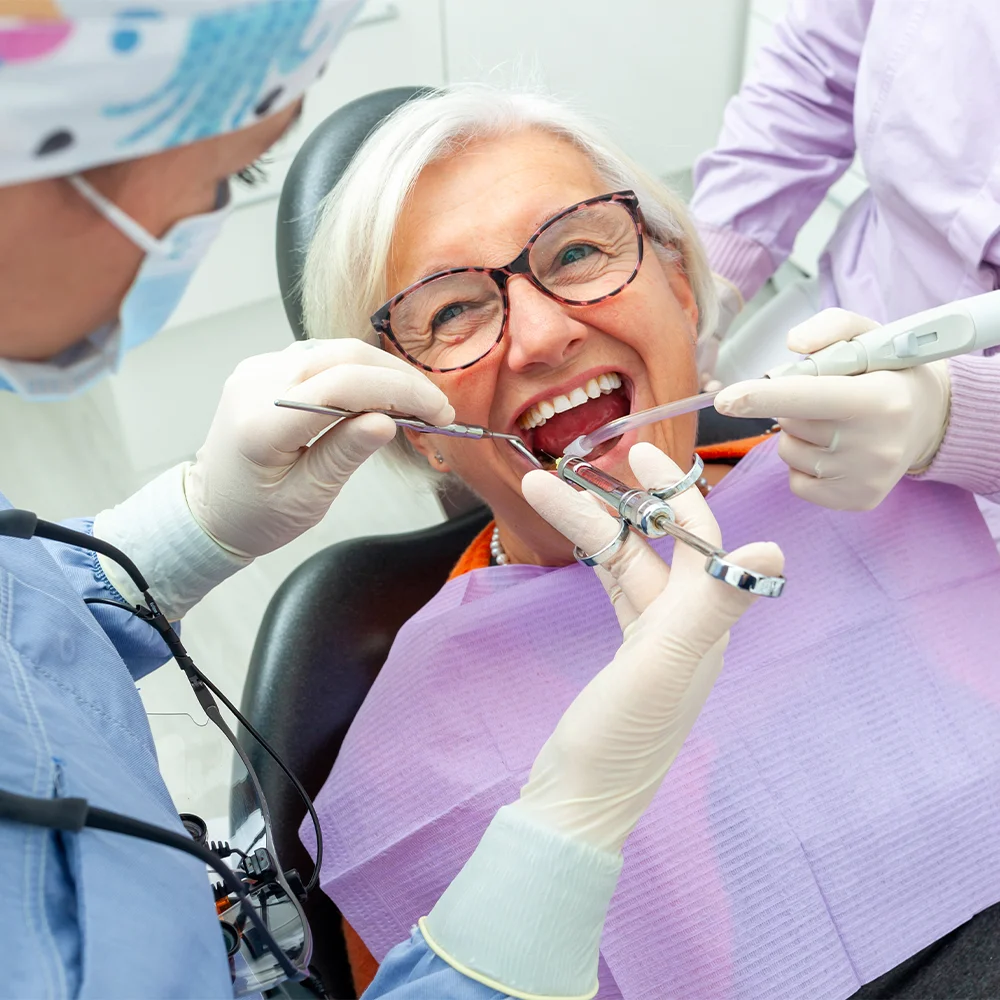
Dental scaling is the procedure of removing hardened tartar deposits that accumulate on tooth surfaces and along the gumline using professional instruments. Tartar forms when plaque that is not regularly removed hardens over time and can accumulate either above or below the gumline. During the procedure, deposits are removed using ultrasonic devices and specialized hand instruments. Polishing is then performed to make the tooth surfaces smoother. The procedure is generally painless; local anesthesia may be used when necessary for patients with increased sensitivity.
Mild sensitivity may occur for a few days after cleaning and usually subsides on its own. Regular dental scaling helps maintain gum health and reduce complaints such as bleeding and bad breath. The frequency of cleaning is determined according to the individual’s oral hygiene and tendency to develop tartar. Dental scaling does not whiten teeth; it only removes accumulated deposits.
Preventive Dentistry and Periodontology
Preventive Dentistry
Preventive dentistry is a comprehensive approach aimed at taking measures before tooth decay, gum disease, and other oral health problems develop. It is based on regular check-ups, professional cleaning, proper brushing and flossing, evaluation of dietary habits, and fluoride treatments. The patient’s risk of tooth decay is determined by evaluating oral hygiene, dietary habits, and previous dental problems, and an individualized preventive care plan is created. For children, fissure sealants and fluoride treatments are important, while for adults, preventing gum recession, root surface decay, and tooth wear is a priority. Proper oral care habits maintained at home, regular check-ups, and personalized treatments help preserve oral health over the long term.
Preventive Dentistry and Periodontology
Preventive Filling (Fissure Sealant)
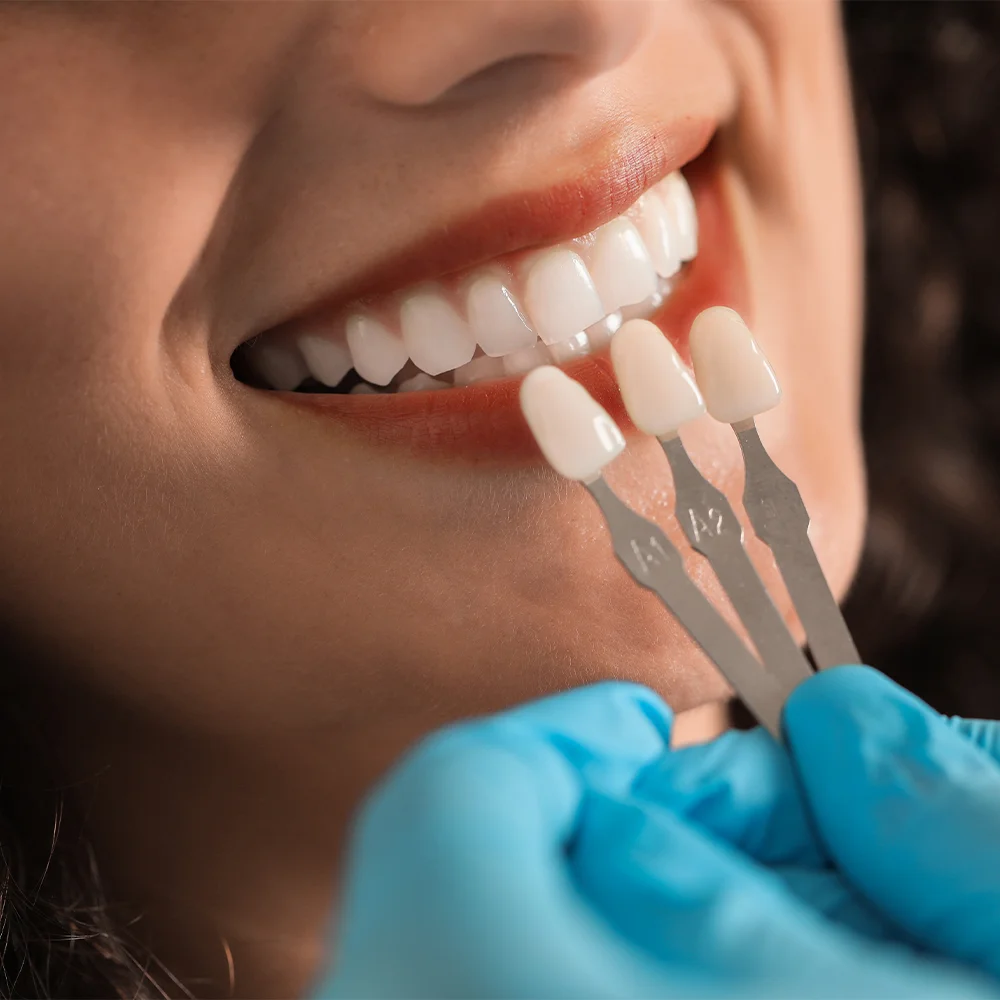
A preventive filling, commonly known as a fissure sealant, is a thin, flowable resin layer applied to the deep pits and grooves on the chewing surfaces of molars and premolars. These areas are prone to plaque and food debris accumulation, making them more susceptible to tooth decay. By physically sealing these pits and grooves, the fissure sealant prevents food debris that can lead to bacterial growth and acid production from coming into contact with the tooth enamel. The procedure is painless, requires no anesthesia or tooth preparation, and generally takes only a few minutes. It is most commonly applied to newly erupted permanent molars in children between the ages of 6 and 12; it can also be used on adult teeth with deep fissures. Regular check-ups are necessary to monitor wear or detachment, and the sealant should be reapplied when needed.
Preventive Dentistry and Periodontology
Periodontology
Periodontology is the branch of dentistry concerned with the health of the gums, alveolar bone, periodontal ligament, and the supporting tissues surrounding the teeth. It covers conditions ranging from gingivitis to periodontitis, which can lead to bone and tooth loss if left untreated. Symptoms such as gum bleeding, bad breath, gum recession, and loose teeth should be taken seriously. Diagnosis involves evaluating periodontal pocket depth, the bleeding index, and, when necessary, X-rays. In the early stages, professional dental scaling, root planing, and personalized oral care are provided, while advanced cases may require flap surgery, bone grafts, and guided tissue regeneration. Regular check-ups and proper oral care after treatment are important to prevent recurrence of the disease and maintain the results in the long term.
Preventive Dentistry and Periodontology
Gum Aesthetics (Pink Aesthetics)
Gum aesthetics, commonly known as pink aesthetics, is a procedure that enhances the aesthetic harmony of a smile by improving the shape, level, and symmetry of the gumline. A gummy smile, in which excessive gum tissue is visible when smiling, can be corrected by removing excess tissue through laser or surgical methods. Asymmetrical gum levels caused by gum recession can also be reshaped. Before the procedure, the gum biotype and bone structure are evaluated; the intended result can be simulated through digital smile design. Laser-assisted contouring may provide less bleeding and a shorter recovery period. Mild swelling and tenderness may occur after the procedure. This treatment can be planned together with laminate veneers or smile design and, in suitable cases, supports both aesthetic appearance and periodontal health.
Preventive Dentistry and Periodontology
Periodontal Plastic Surgery and Soft Tissue Grafts
Periodontal plastic surgery is a field of treatment that uses surgical methods to repair gum recession, insufficient keratinized tissue, gum asymmetry, and soft tissue loss caused by trauma, while addressing both functional and aesthetic goals. Gum recession can develop due to aggressive toothbrushing, teeth clenching and grinding, a thin gum biotype, orthodontic movements, or periodontal disease. It can lead to exposed root surfaces, sensitivity, and aesthetic concerns. Treatment often involves connective tissue grafts taken from the patient’s palate or biocompatible graft materials. The procedure is performed under local anesthesia and generally takes one to two hours. Periodontal plastic surgery may be performed to stop gum recession, reduce root sensitivity, strengthen the tissues surrounding implants, and protect the long-term health of the teeth.