
Prosthetic Treatments

Your One Trusted Choice for Your Health

Prosthetic Treatments
Crowns and Bridges
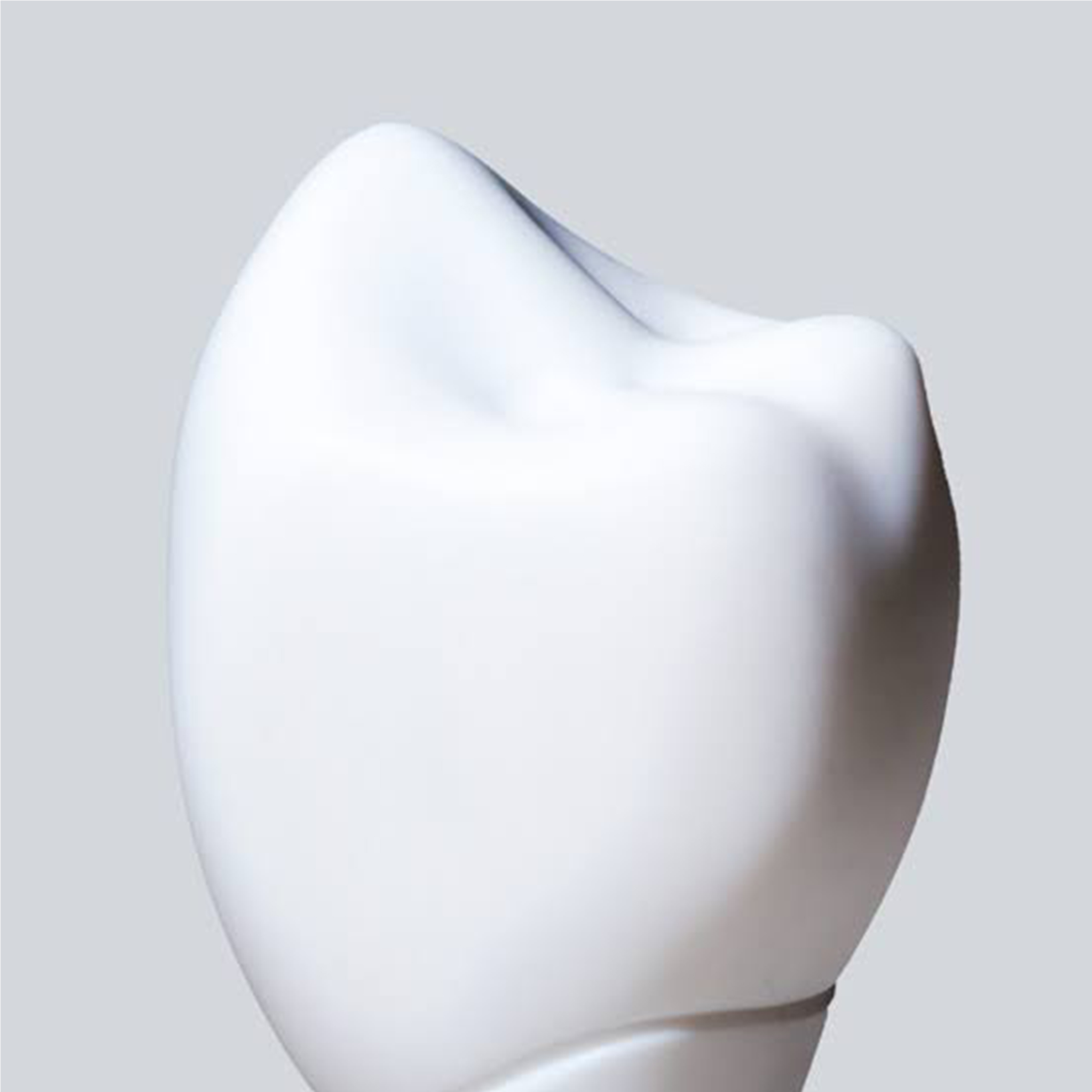
Crown and bridge treatment is a fixed prosthetic treatment aimed at restoring the function and aesthetics of severely damaged or missing teeth. A crown protects a damaged tooth by completely covering it, restoring its natural shape, size, and function. A bridge replaces one or more missing teeth by being supported by adjacent teeth or implants. Before treatment, the health of the supporting teeth and gums is evaluated, and any necessary root canal or gum treatments are completed. While the restoration is being prepared using digital or conventional impressions, a temporary restoration may be used. Materials such as zirconia, E-max, porcelain-fused-to-metal, and full ceramics may be preferred. With proper care and regular check-ups, crowns and bridges can be used for many years.

Prosthetic Treatments
Dental Bridge Placement
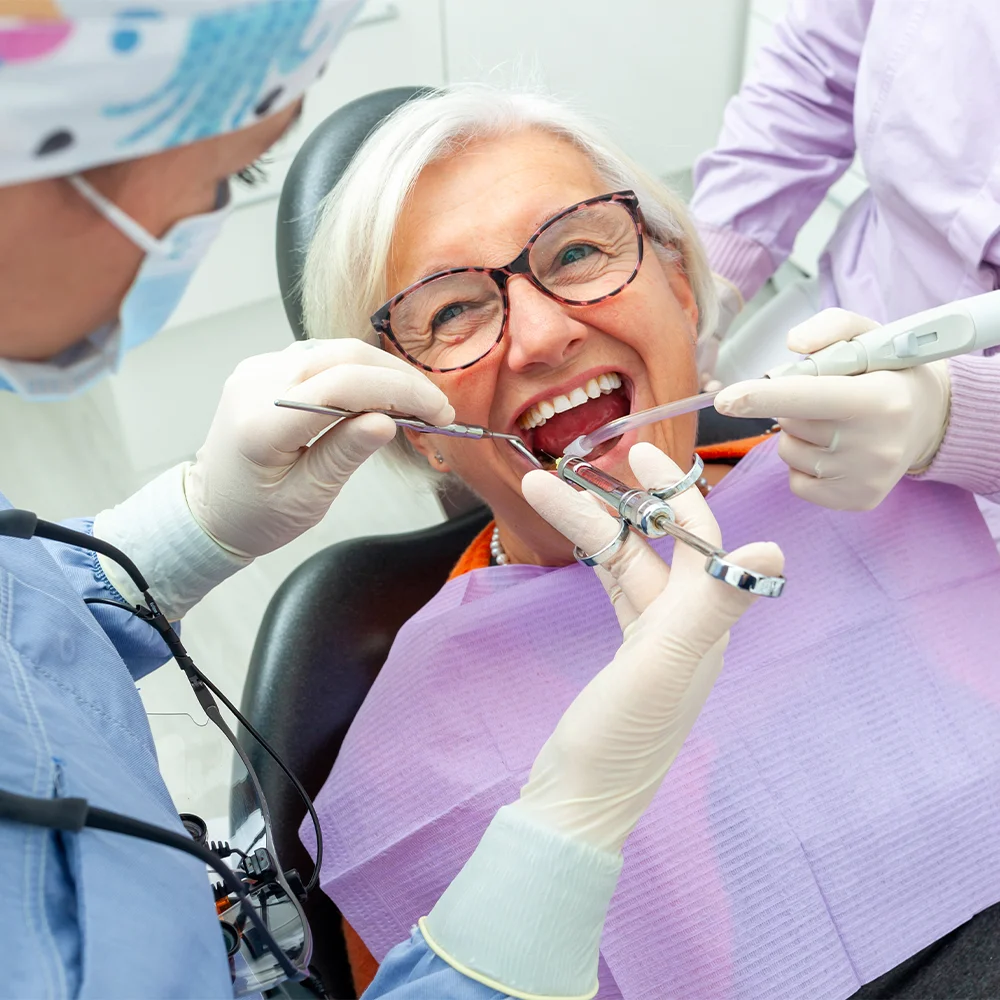
Dental bridge placement is a prosthetic treatment that restores one or more missing teeth in a fixed manner by using adjacent natural teeth or implants for support. In conventional bridges, the supporting teeth on either side of the missing tooth are prepared, and a single-piece restoration containing a pontic to fill the gap is placed. In cases where the adjacent teeth are healthy or sufficient support is unavailable, implant-supported bridges may be preferred to help preserve the natural teeth. Before treatment, the root and bone health of the supporting teeth are evaluated. Materials such as zirconia, E-max, or porcelain-fused-to-metal may be used. The treatment is generally completed in two to three appointments. With proper care, specialized cleaning, and regular check-ups, bridges can last 10–15 years or longer.
Prosthetic Treatments
Complete Denture
A complete denture is a removable prosthesis used to restore chewing, speech, and facial aesthetics when all natural teeth in one or both jaws have been lost. It consists of artificial teeth set into an acrylic base. During the preparation of the denture, impressions are taken, jaw relations are recorded, and the arrangement of the teeth and aesthetic appearance are evaluated together with the patient during the trial denture stage. Lower jaw dentures may be less stable than upper jaw dentures; implant-supported options may be considered when necessary. The adjustment period for a new denture may take several weeks. Over time, changes in the jawbone may affect the fit of the denture, making adjustments or relining necessary. Regular cleaning and check-ups are important for maintaining the health of both the denture and the oral tissues.
Prosthetic Treatments
Complete and Partial Dentures
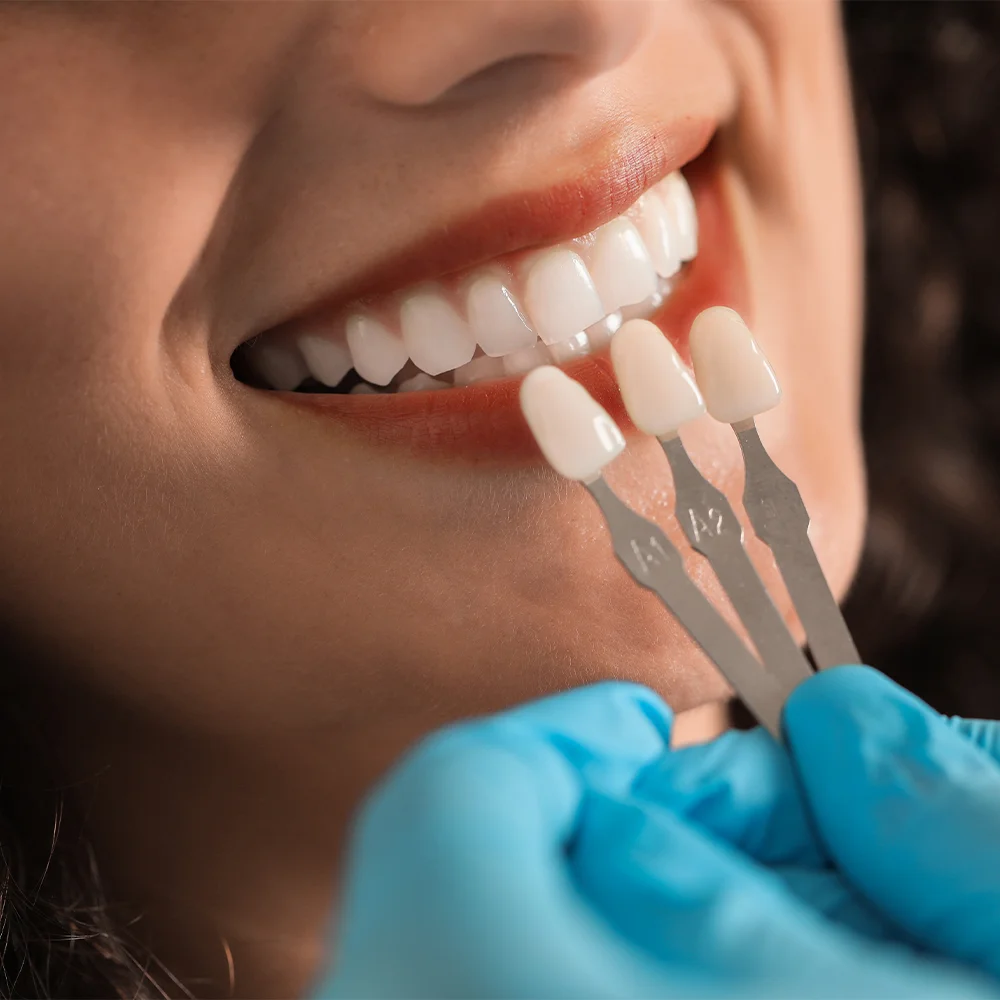
Complete and partial dentures are removable prosthetic solutions used depending on the extent of tooth loss. Complete dentures are used when all teeth in one jaw are missing, while partial dentures are used when only some teeth are missing. Partial dentures replace missing areas with artificial teeth and are attached to the remaining natural teeth using metal or flexible clasps. While metal-framework dentures offer a durable and slim structure, flexible dentures may be preferred for aesthetic reasons because they do not have visible clasps. Both types of dentures involve taking impressions, recording jaw relations, trying in the denture, and delivering the final prosthesis. The health of the remaining natural teeth is particularly important for partial dentures. Regular check-ups and proper care help maintain the fit and comfort of the denture, as well as oral health.
Prosthetic Treatments
Removable Denture
A removable denture is a complete or partial removable prosthesis that the patient can insert and remove independently and that is supported by resting on the jawbone and gums. It may be used in cases where fixed restorations are not preferred or cannot be applied, depending on factors such as bone structure, budget, suitability for surgical procedures, or personal preferences. Artificial teeth are placed on a base made of acrylic or flexible material; partial dentures may include metal or flexible clasps that attach to the remaining natural teeth. The adjustment period for a new denture generally takes several weeks. Since changes in the jawbone may cause the denture to become loose over time, regular check-ups and relining when necessary are important. Removing the denture at night, cleaning it regularly, and storing it under appropriate conditions help support its lifespan and oral health.