Tooth decay is one of the most common oral health problems in the world. Many people don’t notice a cavity until the tooth starts to hurt, or dismiss a small dark spot as unimportant. Yet decay caught at an early stage can easily be treated with a simple filling, whereas neglected cases may require more extensive procedures such as root canal treatment, a crown or even extraction.
Decay is not just an aesthetic problem. It can cause deterioration of the tooth structure, sensitivity, bad odour, difficulty chewing and infection. What is more, once decay has formed it does not heal on its own. Early diagnosis is therefore very important.
In this article, Frig Dent Dental Clinic looks in detail at how tooth decay forms, its causes and symptoms, how a filling is done and how to protect yourself against decay.
What Is Tooth Decay?
Tooth decay occurs when bacteria in the mouth feed on sugary and carbohydrate-rich foods and produce acids that damage the tooth enamel. Over time this damage progresses and cavities form in
the tooth.
Decay generally begins in the enamel layer. If left untreated, it can reach the dentine layer and then the nerve tissue.
What Causes Decay?
There is no single cause of decay. Usually several factors act together.
1. Inadequate Oral Hygiene
Plaque builds up on teeth that are not brushed regularly. The bacteria within that plaque accelerate
the formation of decay.
2. Sugary Foods and Frequent Snacking
Sugary foods increase acid production. Snacking frequently throughout the day raises the risk in
particular.
3. Not Using Dental Floss
A toothbrush may not clean fully between the teeth. Hidden decay can develop in these areas.
4. Dry Mouth
Saliva is a natural defence that protects the teeth. When it decreases, the risk of decay rises.
5. Crowded Teeth
Plaque accumulates more easily in areas that are hard to clean.
6. Old and Leaking Fillings
New decay can develop beneath fillings whose margins no longer seal properly.
An Interesting Fact: Decay Doesn’t Have to Be Black
Many people think of decay only as a black hole. In fact, decay sometimes starts as:
- A white, chalky area
- A brown mark
- Softening of the surface
- Hidden progression between the teeth
- So the fact that you can’t see it in the mirror doesn’t mean there is no decay.
What Are the Symptoms of Tooth Decay?
- Sensitivity to cold or heat
- A twinge when eating something sweet
- Pain while chewing
- Discolouration of the tooth
- Food getting caught
- Bad odour
- A visible cavity
- Pain that worsens at night
Some cavities give no symptoms until they are well advanced. That is why regular check-ups matter.
What Is a Dental Filling?
A filling is the cleaning out of tooth tissue lost to decay and reshaping it with appropriate materials.
The aim is both to stop the decay and to restore the function of the tooth.
Thanks to a filling:
- Chewing becomes comfortable again
- Sensitivity decreases
- Fracture of the tooth can be prevented
- The aesthetic appearance is preserved
How Is a Filling Done?
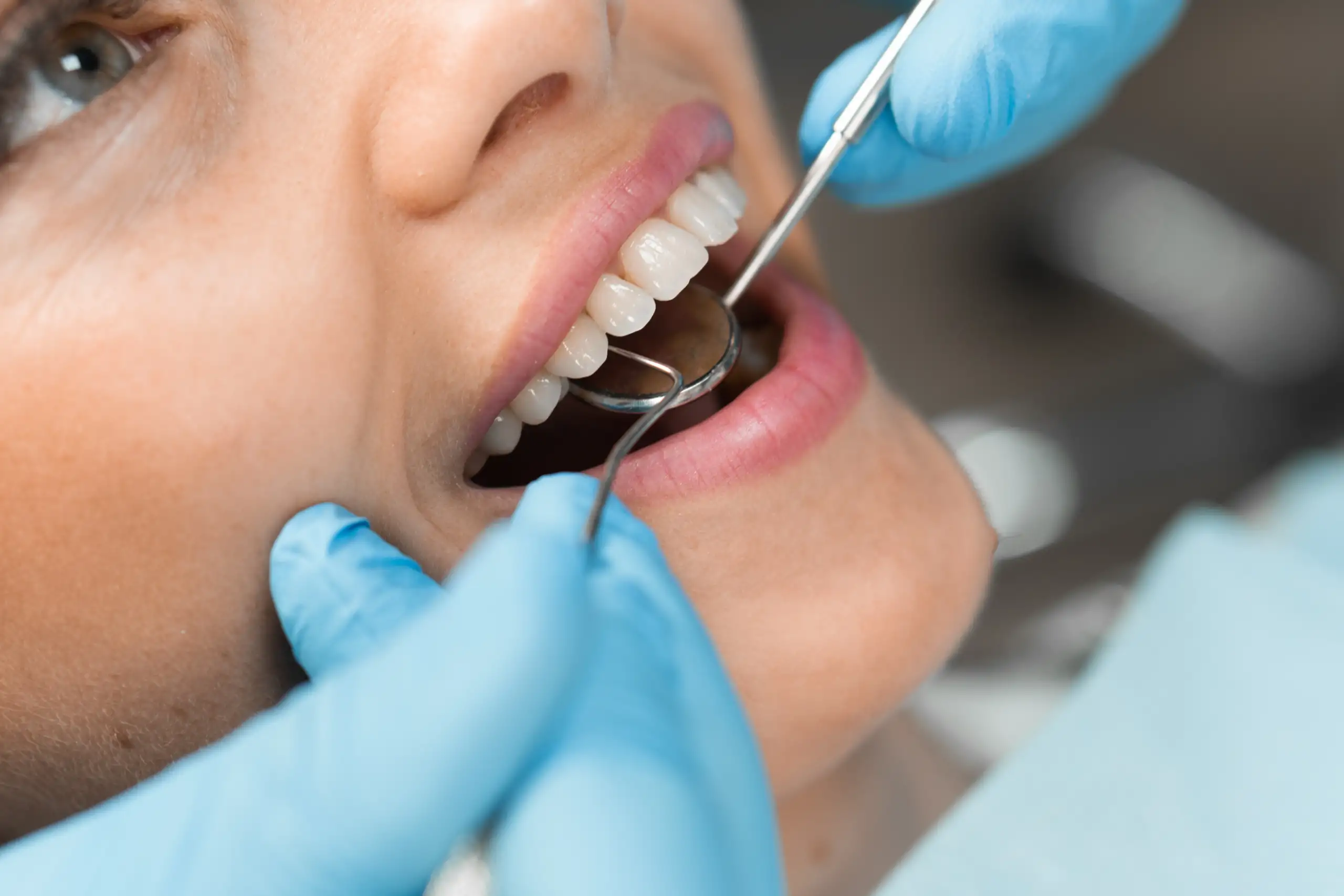
1. Examination and, If Needed, an X-Ray
The depth of the decay is assessed.
2. Local Anaesthesia
If necessary, the area is numbed. Many small fillings can be done comfortably.
3. Removing the Decay
Damaged tissue is cleaned away with special instruments.
4. Placing the Filling
The cavity is filled with a suitable material and shaped.
5. Bite Check
The balance of the bite is checked.
The procedure is usually completed in a single appointment.
What Types of Filling Are There?
Composite (White) Fillings
This is the most commonly preferred aesthetic filling type today. It matches the colour of the tooth.
Glass Ionomer-Based Fillings
These can be used in some children’s teeth or in specific situations.
Advanced Restorative Options
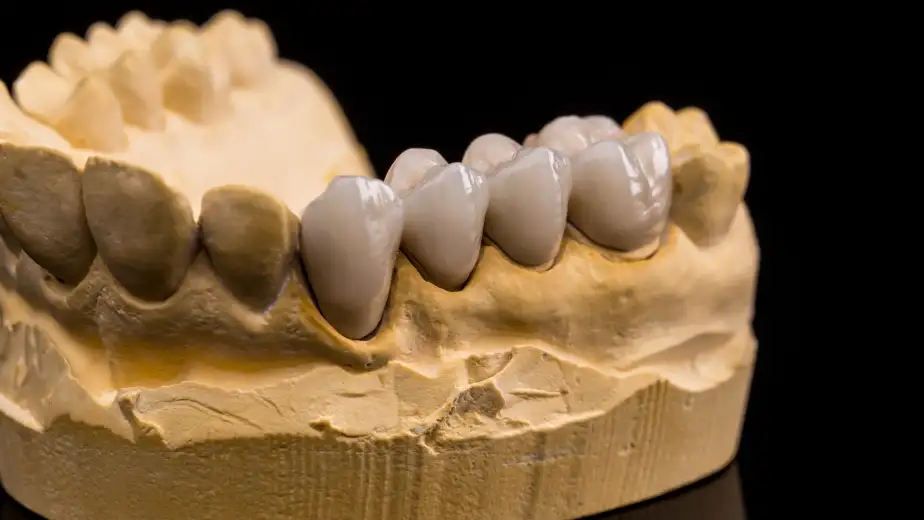
For teeth with extensive loss of tooth structure, laboratory-made solutions such as inlays and onlays
can be planned.
At Frig Dent Dental Clinic, we determine the most suitable material according to the position of the tooth, the size of the decay and the aesthetic requirement.
Is a Filling Painful?
This is one of the most frequently asked questions. Thanks to modern techniques and local anaesthesia, fillings today are generally completed comfortably. The great majority of patients experience no significant pain during the procedure.
Is Sensitivity After a Filling Normal?
Yes — some patients experience mild sensitivity for a few days. It may be noticed in particular:
- On contact with cold
- When chewing under pressure
- As an awareness of the newly filled area
- However, if there is severe pain or long-lasting sensitivity, a check-up is needed.
What Happens If Decay Isn’t Treated?
A small cavity can grow over time.
Where it can lead:
- The need for a larger filling
- Fracture of the tooth
The need for root canal treatment - Abscess formation
- Tooth extraction
- The risk of spreading to neighbouring teeth
Early treatment is therefore both easier and more economical.
No Pain Doesn’t Mean No Decay
Some deep cavities cause no pain until they reach the nerve. By the time pain begins, the problem may already have grown. Silently progressing decay is particularly common between the teeth.
How Can Decay Be Prevented?
Daily protective steps:
- Brushing twice a day with fluoride toothpaste
- Using dental floss every day
- Cutting down on sugary snacks
- Reducing the habit of eating frequently
- Drinking more water
- A dental check-up every 6 months
- Having professional cleaning
Does Decay Progress Faster in Children?
Yes. Because the enamel of baby teeth is thinner, decay can progress more quickly. That is why early check-ups are so important for children.
Fillings and Decay Treatment in Eskişehir
If you have sensitivity, dark spots, food getting caught or pain in a tooth, waiting can make the problem worse. At Frig Dent Dental Clinic, we provide decay treatment with modern equipment and an approach that puts patient comfort first.
At our clinic we offer:
- Examination for decay
- Early diagnosis with digital X-rays
- Aesthetic white fillings
- Treatment of deep decay
- Care for decay in children
- Preventive check-up programmes
Although tooth decay is common, it is preventable and easily treated at an early stage. A small cavity can be resolved with a timely filling, while delay may make more extensive procedures necessary.
If you have sensitivity, pain or suspected decay in a tooth, get in touch with Frig Dent Dental Clinic for an expert assessment. Healthy teeth are protected through regular care and early intervention.